
02 — Venice
Venetian sweets
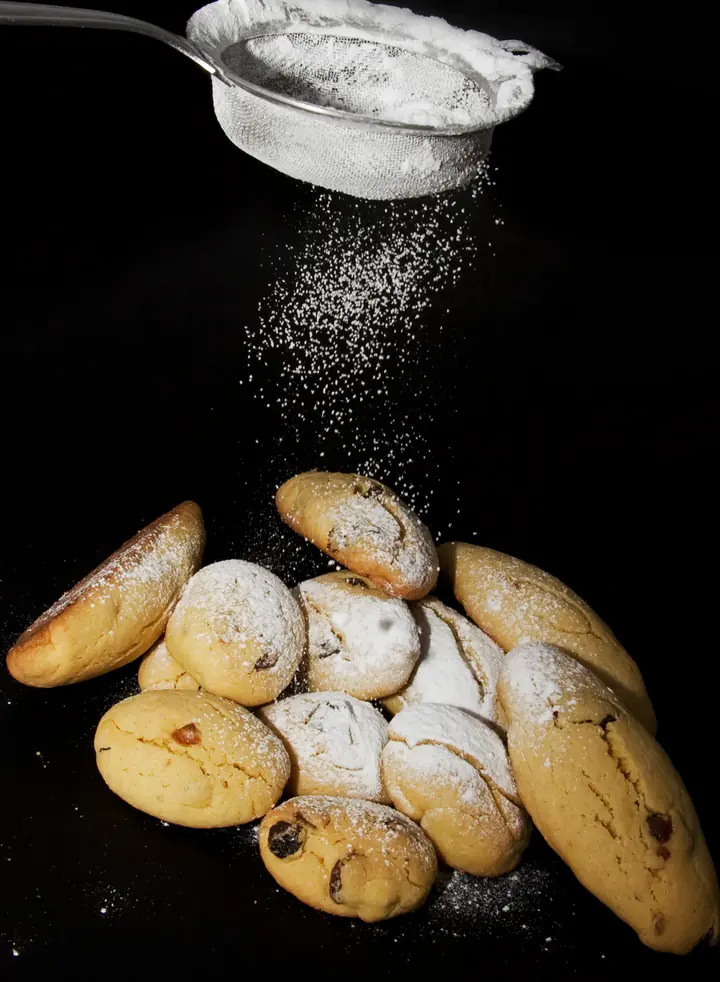
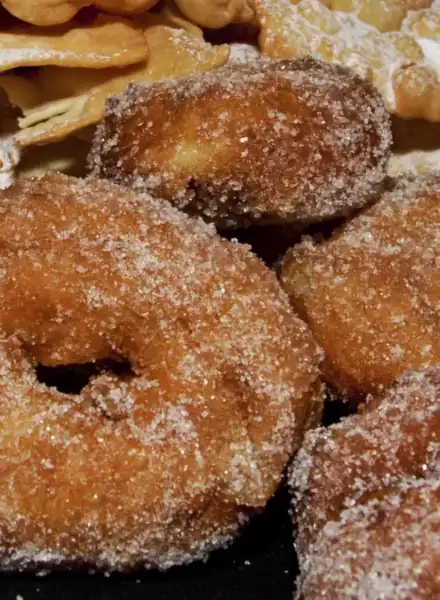
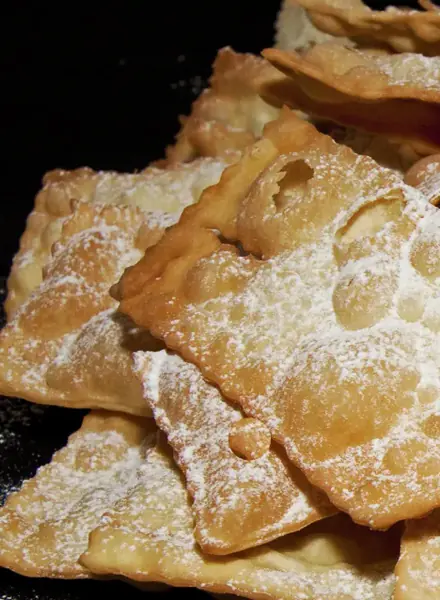
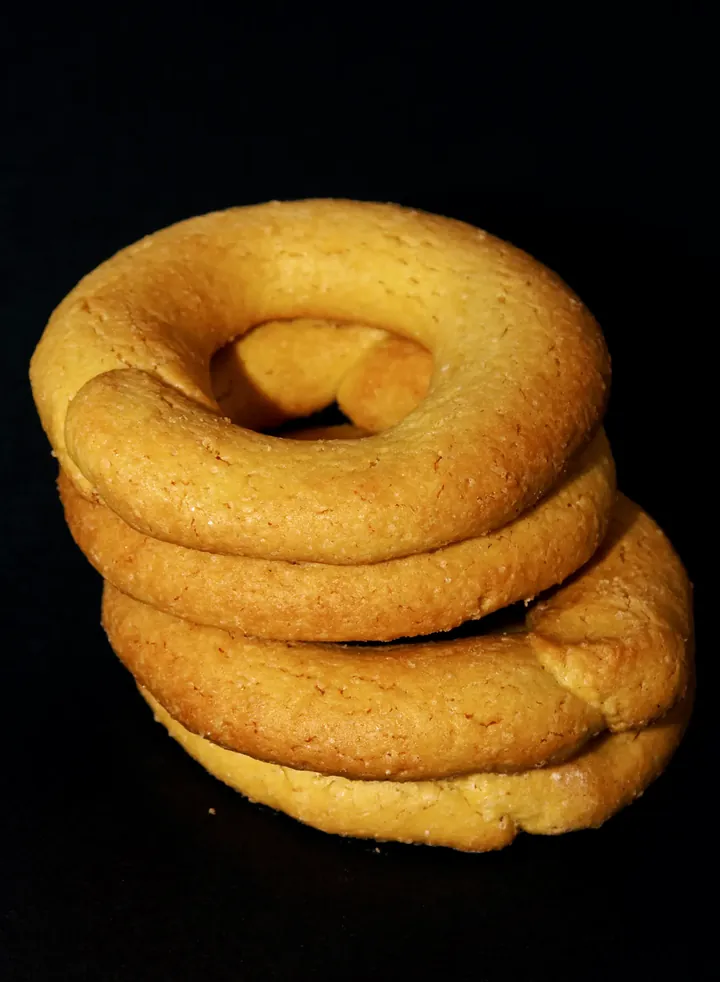
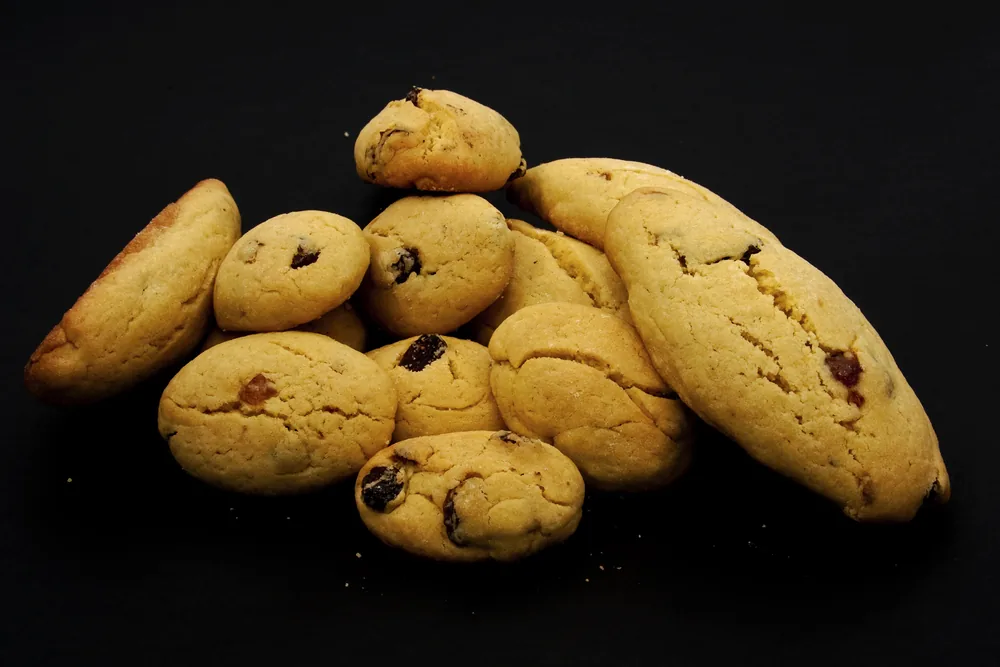
Baicoli, zaleti, bussolai, Carnival frittelle and galani: the city’s sweet calendar. They are our oldest products, and the ones Venetians have been buying for generations.
- Baicoli
- Zaleti
- Bussolai
- Frittelle
- Galani
Catering & Banqueting
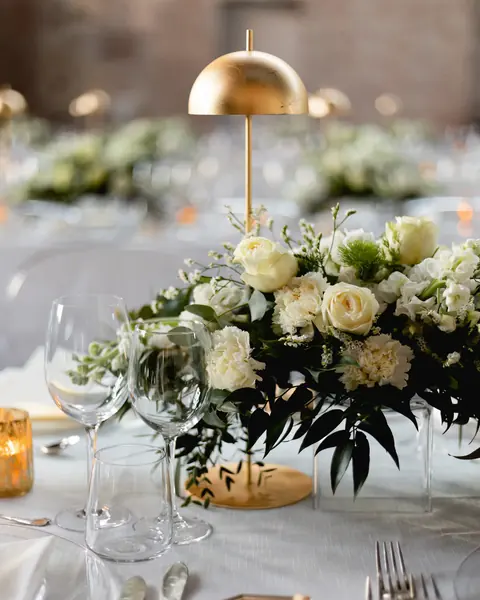
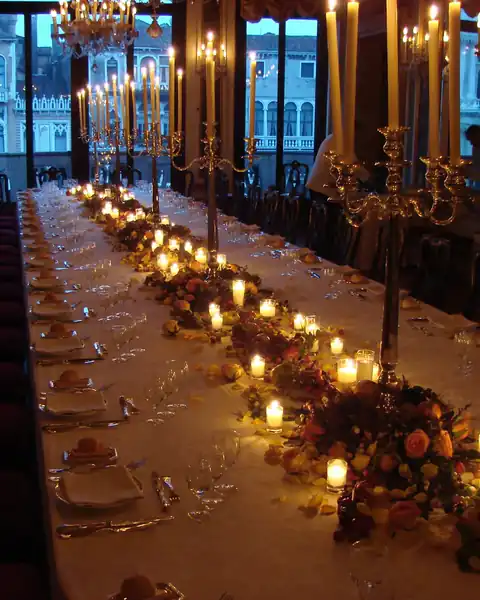
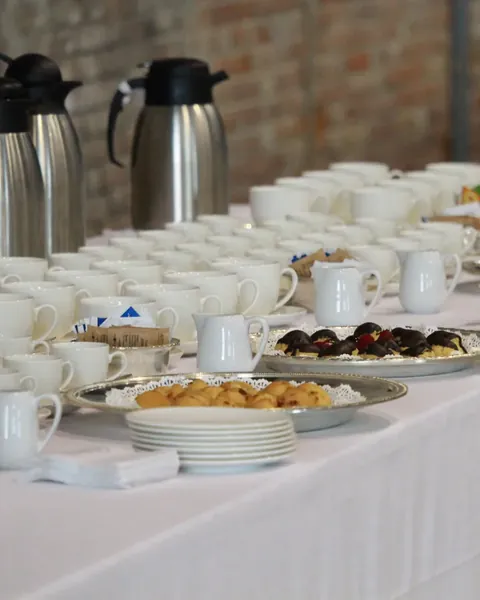
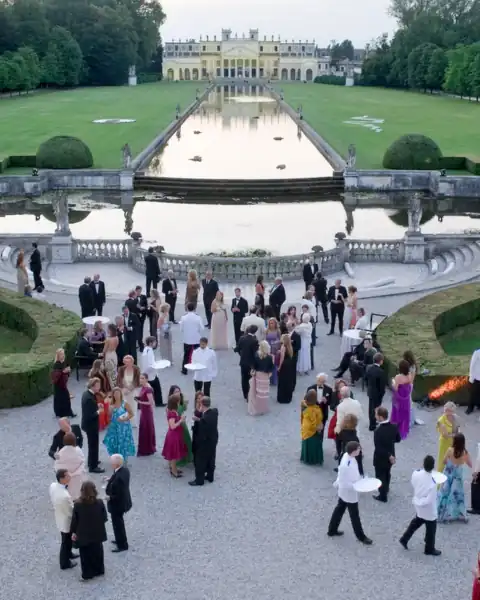
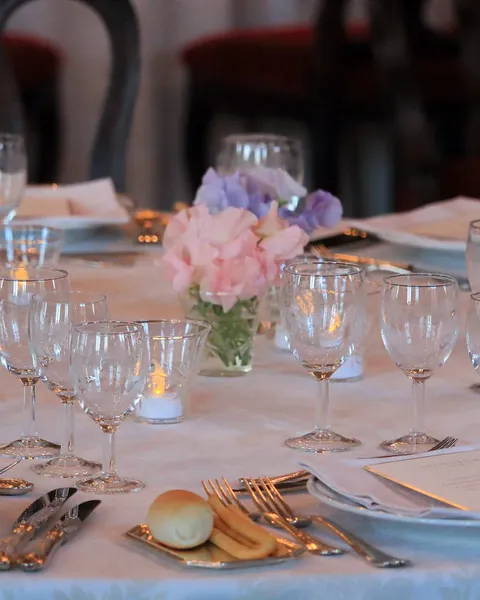
Banqueting in private residences and the most exclusive venues
Tell us about the occasion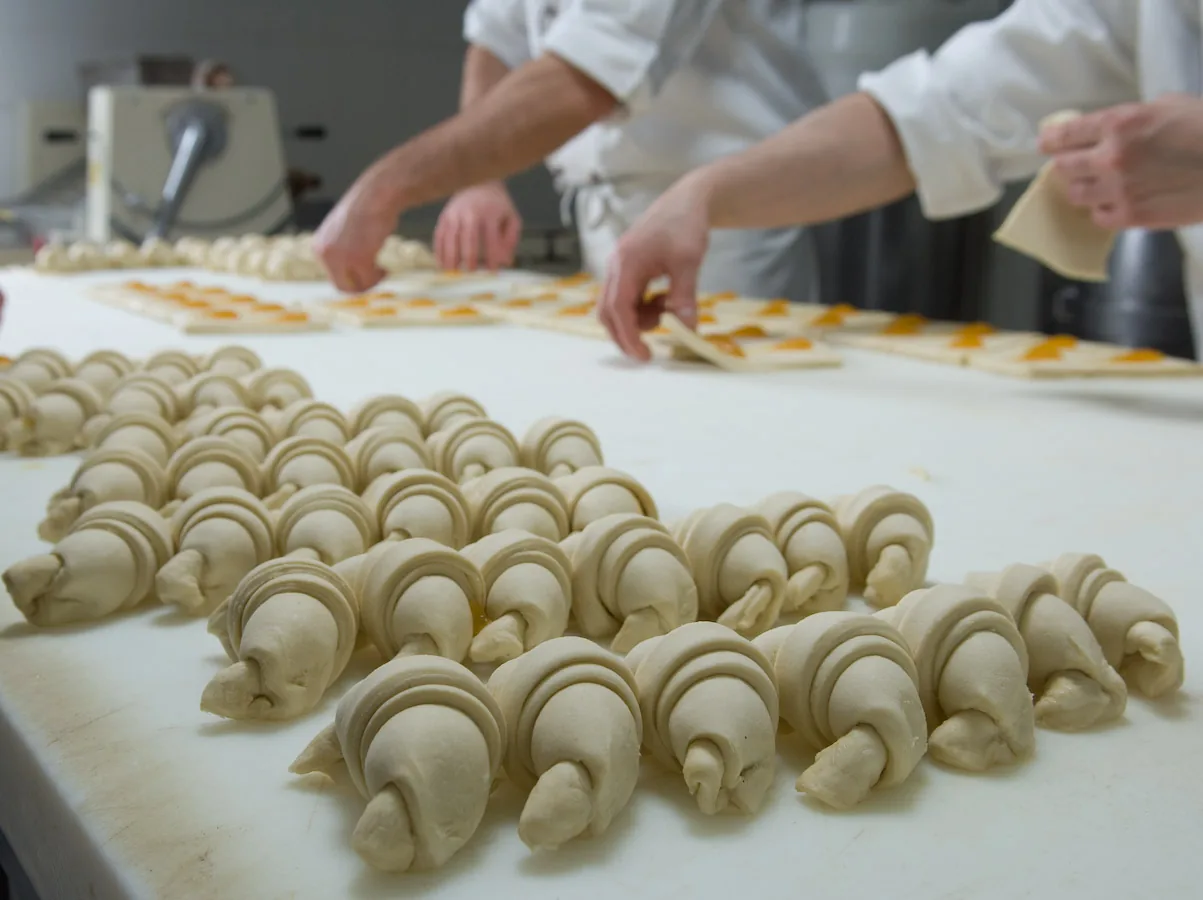
Everything that leaves our workshop is made by hand, every day, with the recipes and experience of seven generations.
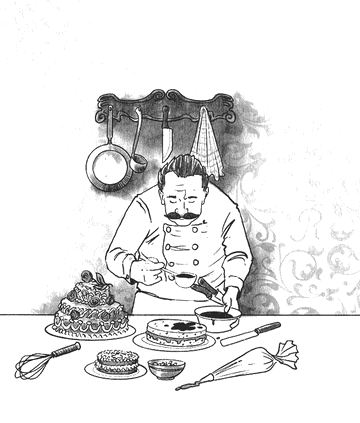
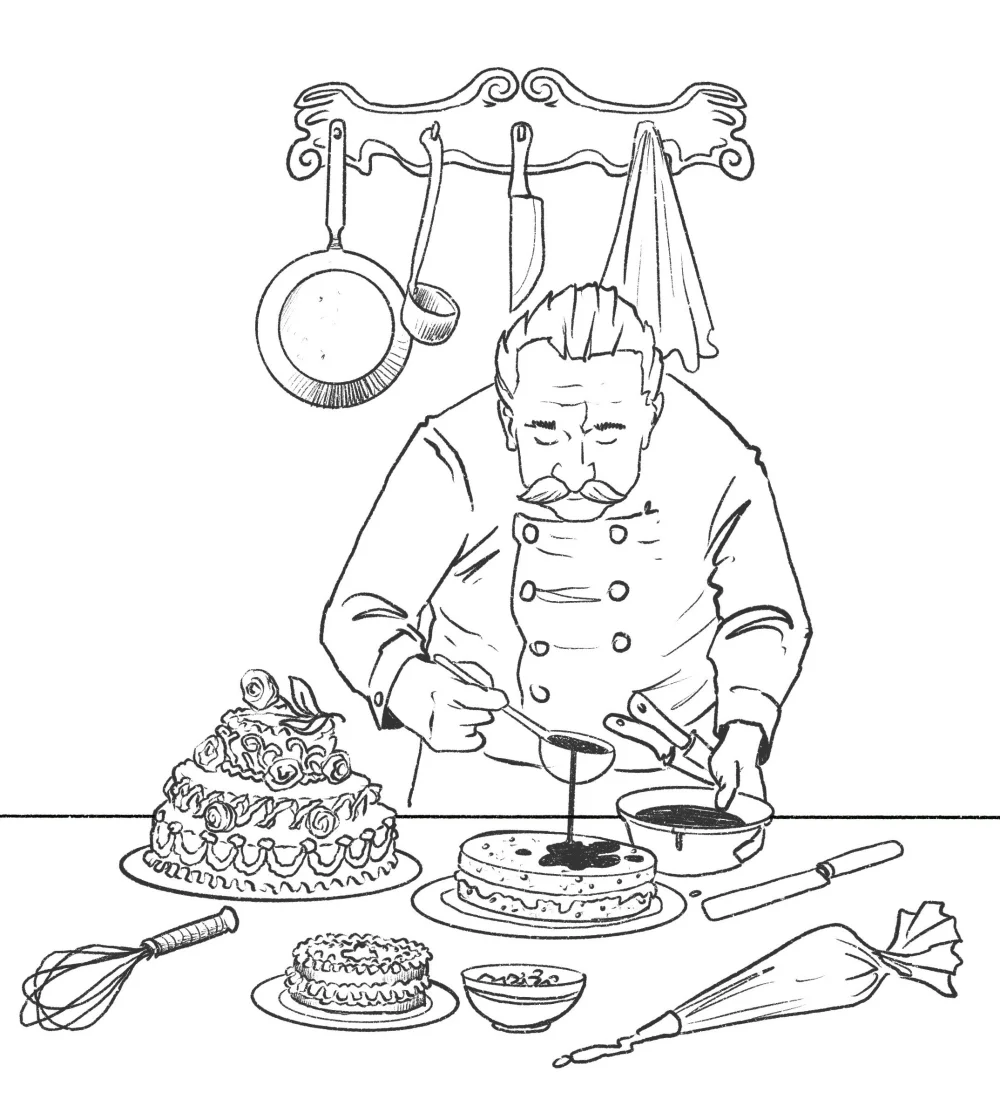
Rosa Salva is a historic pastry shop in Venice, in business since 1879 and carried on by seven generations of the same family. The workshop in Calle Fiubera, in San Marco, is where baicoli, zaleti, bussolai, frittelle and galani are made, along with the great leavened cakes raised with sourdough starter, the chocolate and the cakes made to order.
The weight is the real one: in pastry, half a gram makes a difference. The time is the time it takes: doughs rest as long as they must, not as long as would be convenient. Raw materials chosen one by one, no industrial shortcuts. The workshop works through the night so that the counters are full by morning.
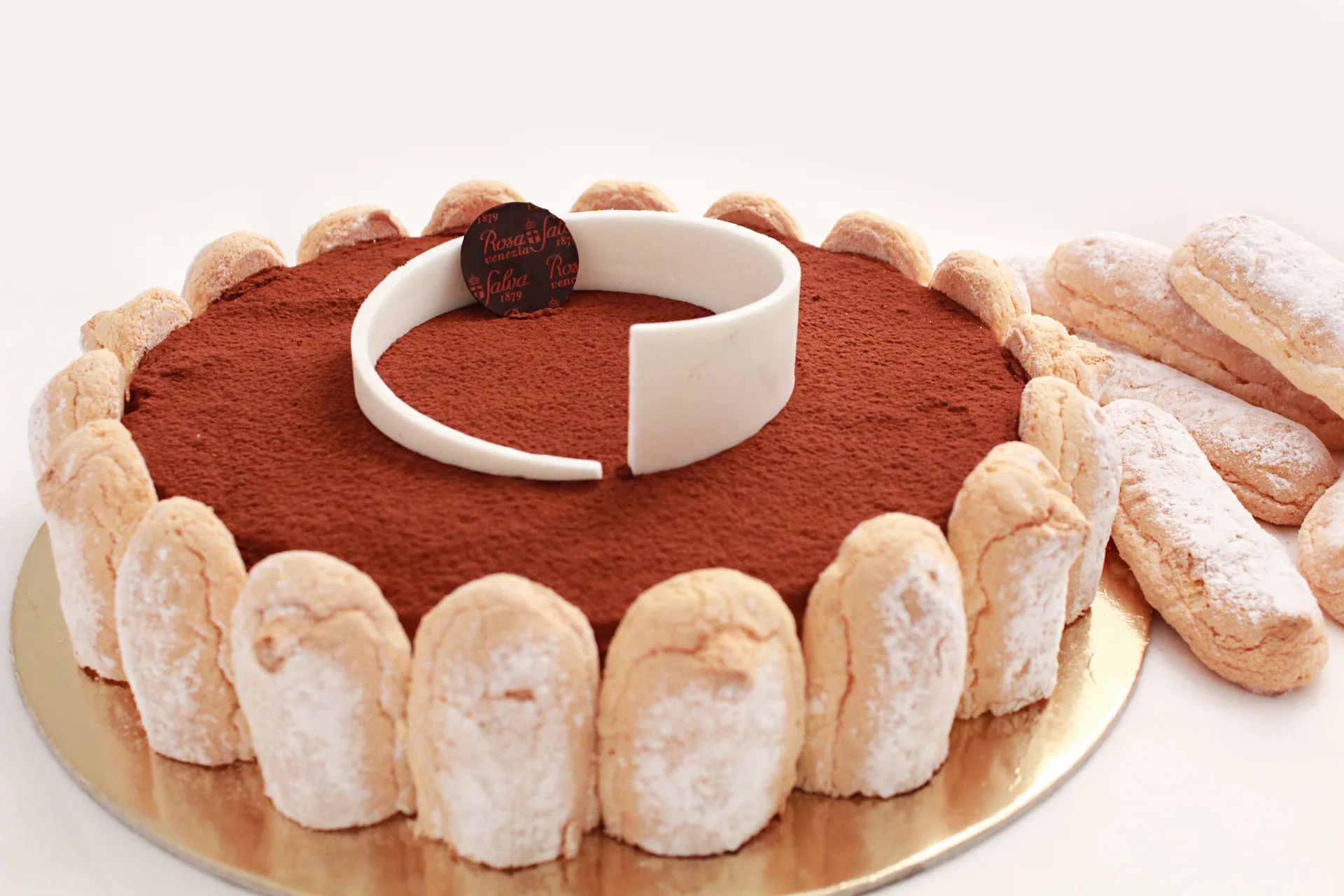
The recipes you recognise at the first bite. We make them as we did a hundred years ago, with the small adjustments that today’s taste calls for.
Baicoli, zaleti, bussolai, Carnival frittelle and galani: the city’s sweet calendar. They are our oldest products, and the ones Venetians have been buying for generations.
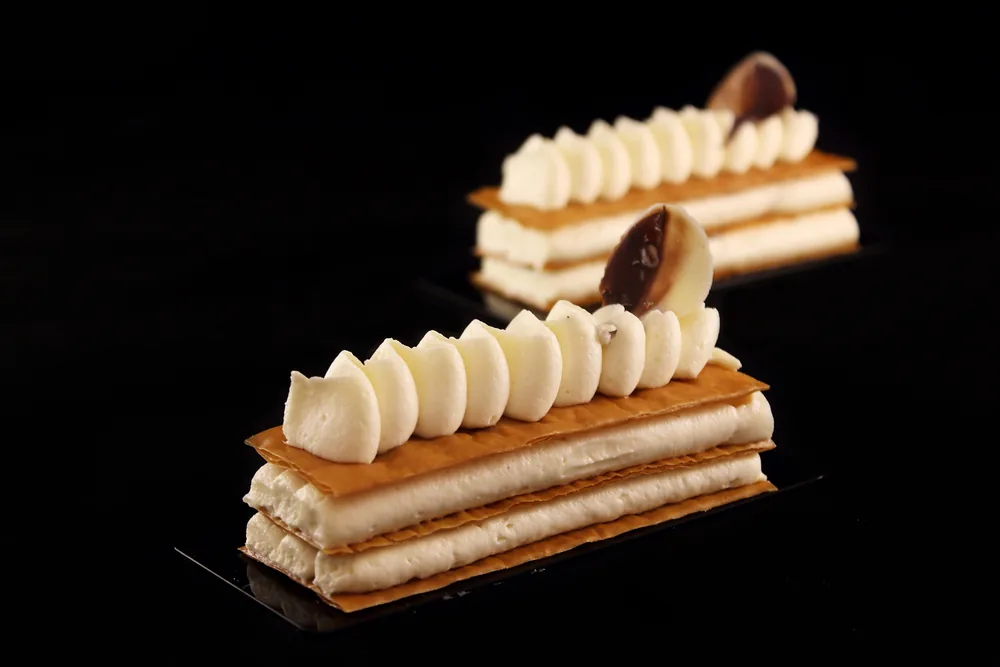
Individual portions, entremets, mignon: where contemporary technique meets our raw materials. Less sugar, more precision, the same hands.
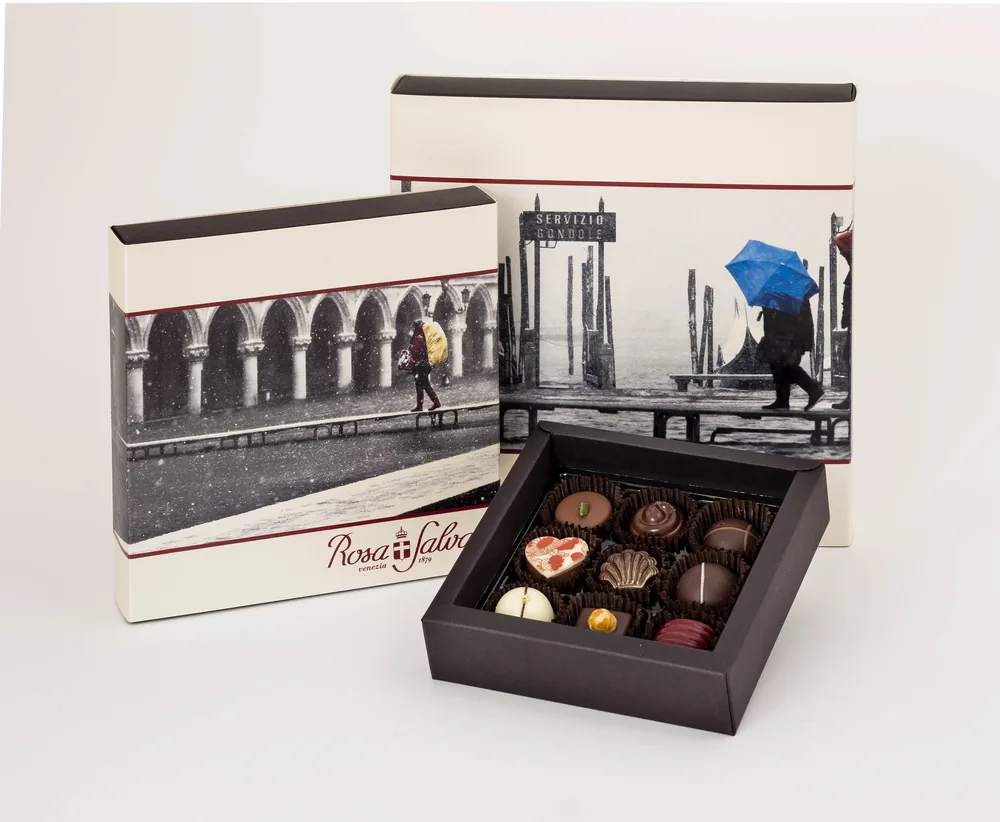
Pralines made by hand with selected cocoa. It is the smallest department and the most demanding: here the margin of error is measured in degrees.
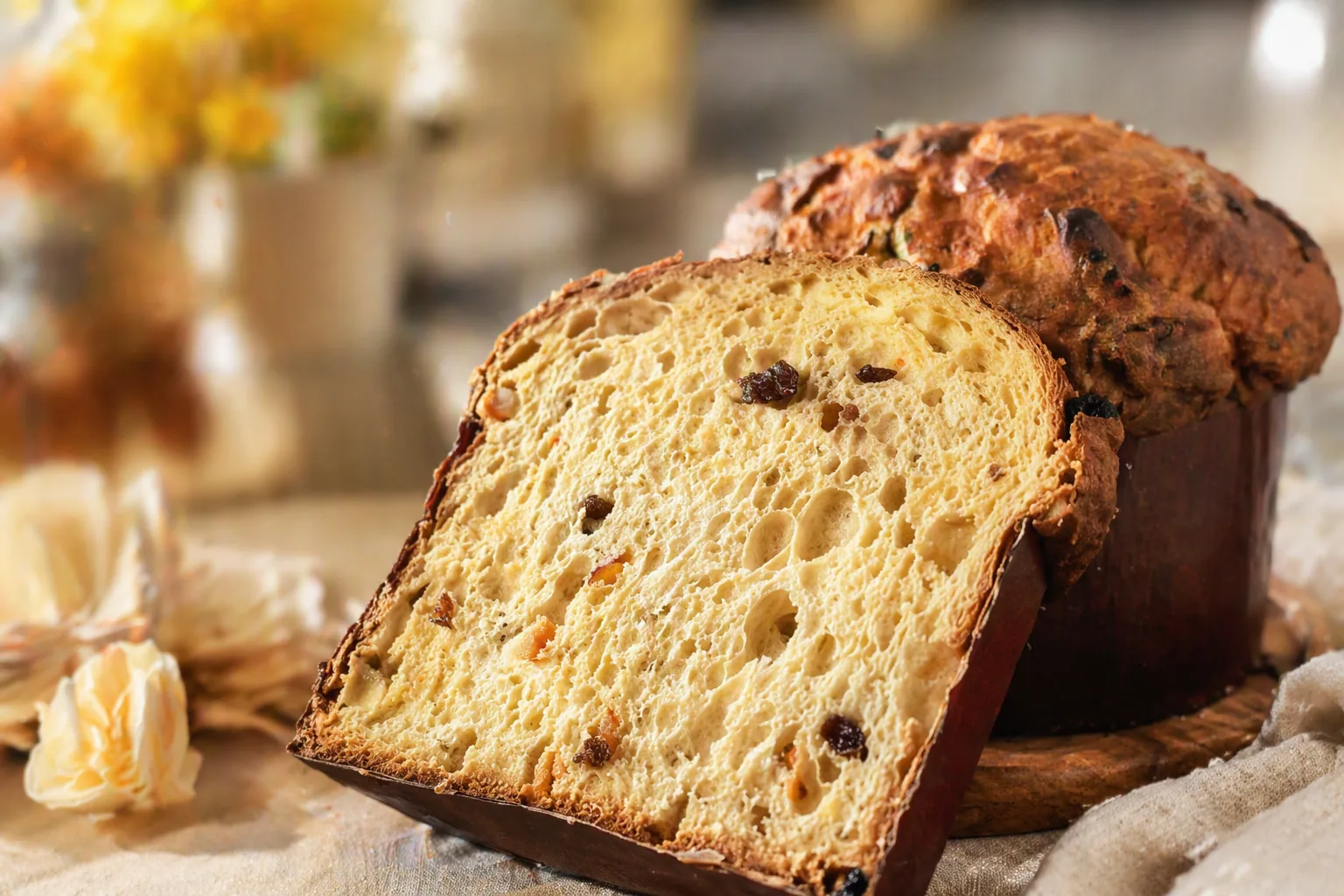
Panettone, colomba and focaccia veneziana: doughs that call for days, not hours. Sourdough starter refreshed every day, long proving, nothing forced.
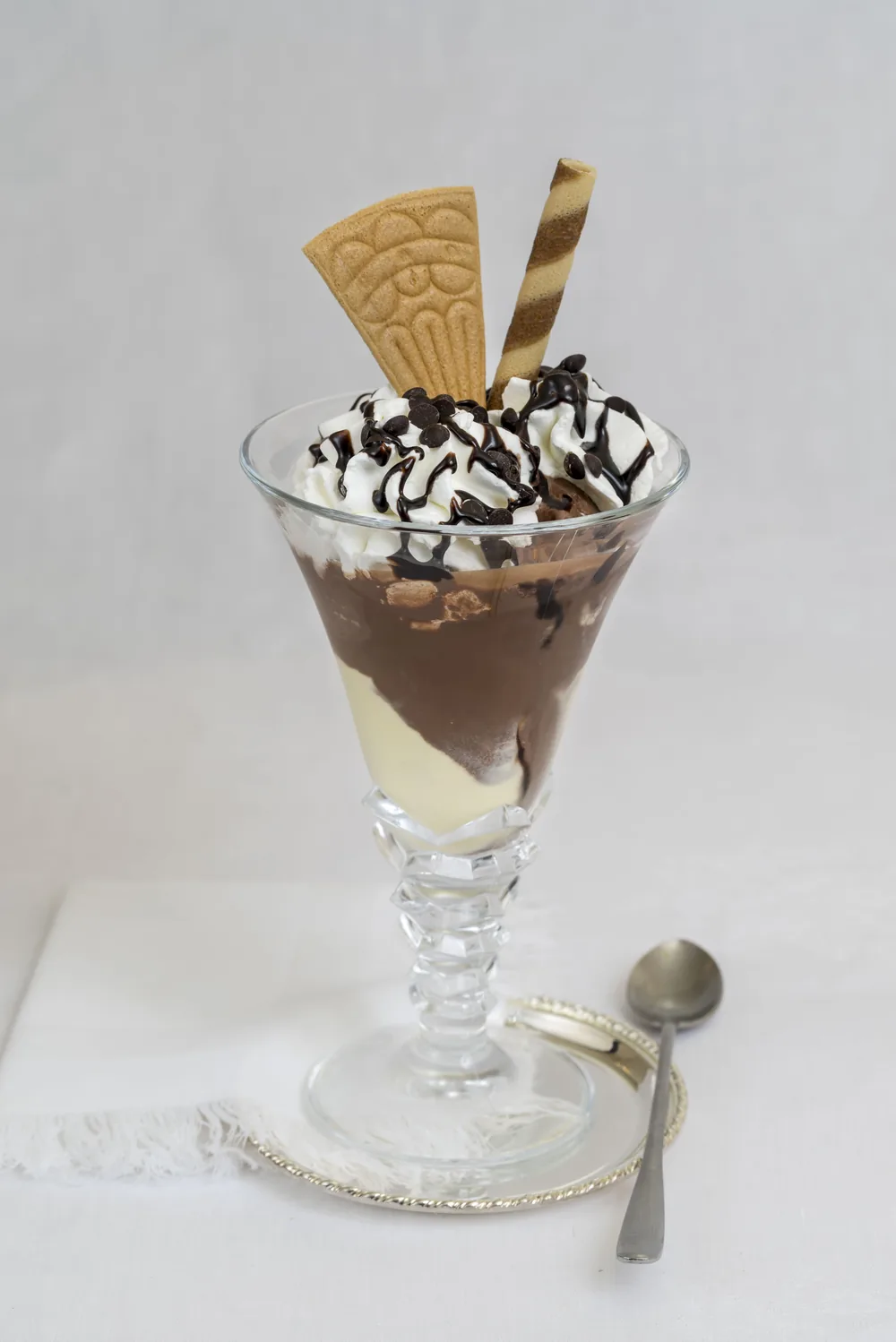
It is made at Campo Santi Giovanni e Paolo, and it is the one thing we cannot ship to you. The speciality is the cestello di croccante, a nut-brittle basket.
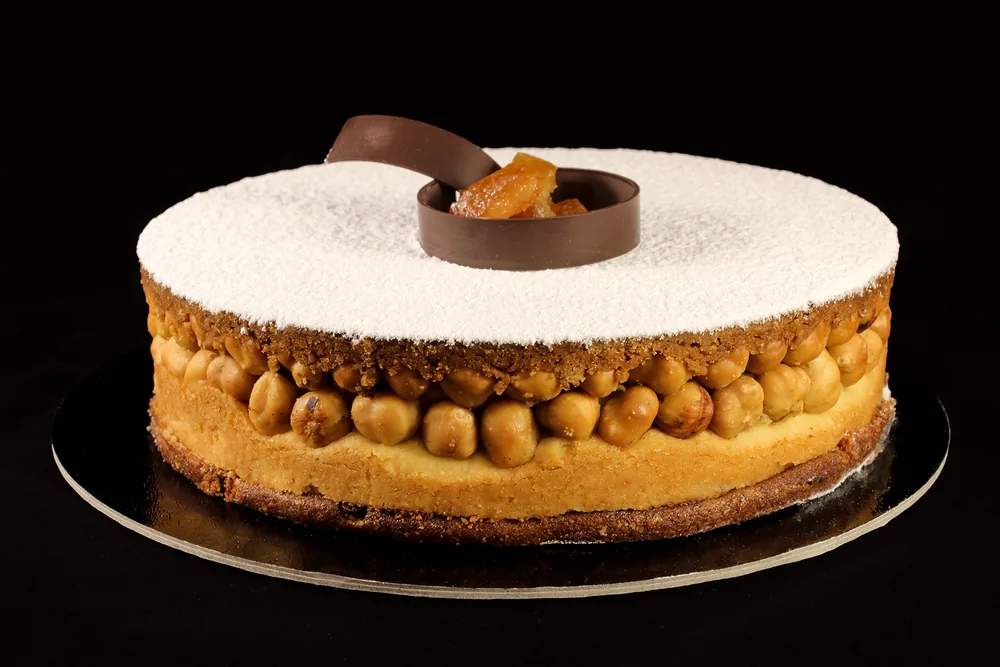
Tarts, ciambelline, biscuits: the sweets that keep, the ones to have at home. They are also the easiest to take away from Venice.
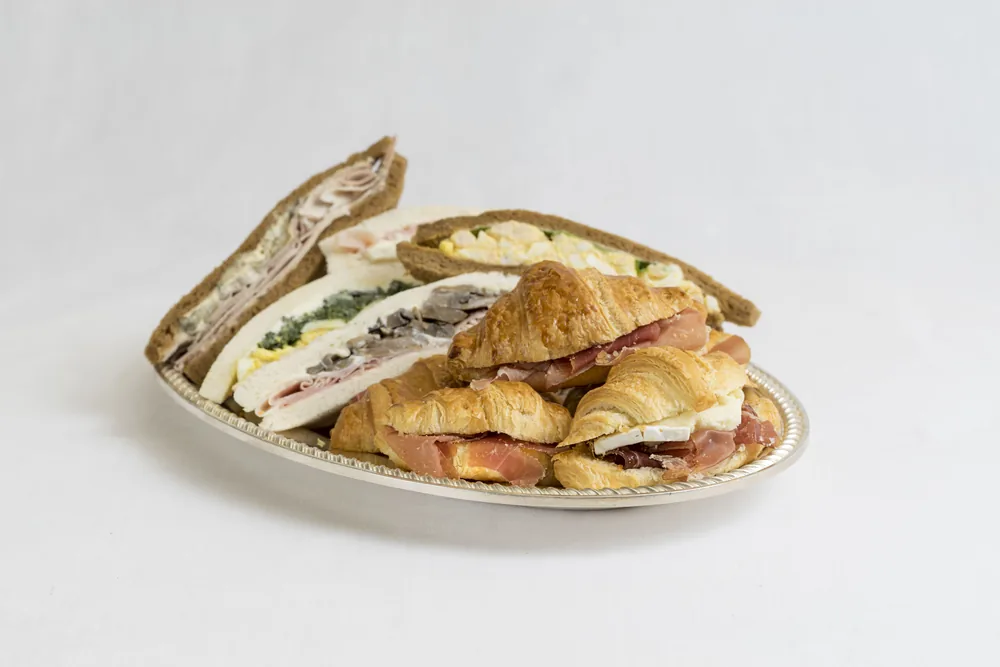
Tramezzini, savoury bites, finger food and ready-made dishes: the same care as the sweet side, applied to the savoury. It is also the base from which our catering grows.
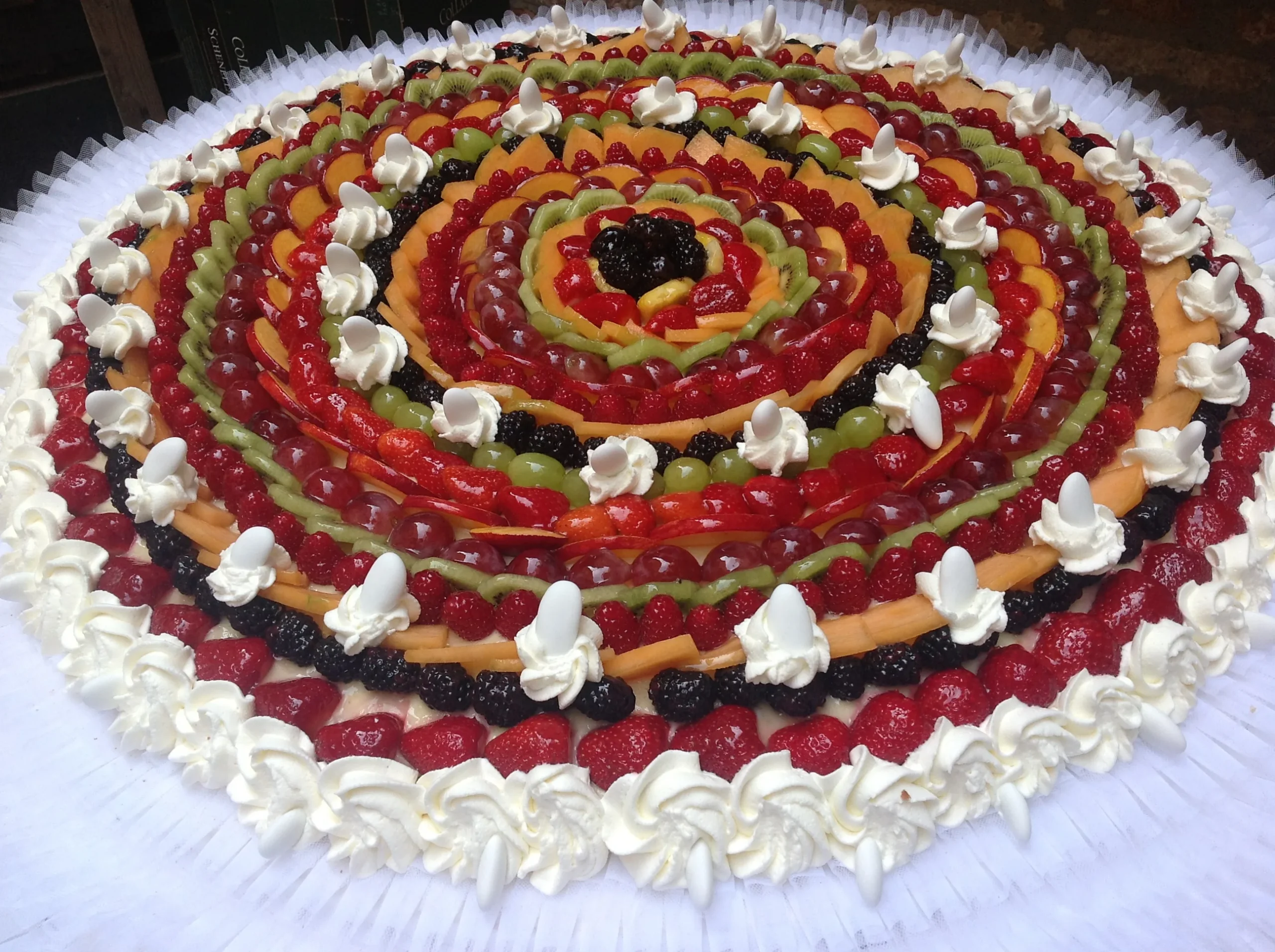
Weddings, anniversaries, christenings, birthdays. We start from the occasion, not the catalogue: shape, flavour and size are decided together.
Traditional Venetian sweets include baicoli, zaleti, buranelli (ring-shaped bussolà or S-shaped esse), frittelle, galani and focaccia veneziana. Frittelle and galani are made only during Carnival, and focaccia veneziana at Easter.
Baicoli are thin, dry, twice-baked Venetian biscuits: they are made as a small sweet loaf, which is left to go stale, then cut into thin slices and put back in the oven. They were born to keep, which is why they have always been served with hot chocolate or a sweet wine, to be dipped in.
During Carnival, together with the galani. They are seasonal sweets and we make them only then: they are part of the city’s sweet calendar, like the bussolai or the focaccia veneziana at Easter. Out of season you will not find them, and that is intentional.
Yes: Rosa Salva makes panettone, colomba and focaccia veneziana in its own workshop, with sourdough starter refreshed every day and long proving. Panettone arrives in the weeks before Christmas and colomba before Easter; they can also be ordered through the shop, which ships them.
Yes, in all our locations, with at least 48 hours’ notice. Orders are placed in person at the counter, where the day and time of collection are also arranged. For weddings and celebrations the lead time is longer, as there is usually a tasting first: it is best to plan well ahead.
Most of them, yes, through the shop: the great leavened cakes, biscuits and Venetian specialities travel well because they were born to keep. The one thing we cannot ship is the artisan gelato, which is made and eaten at Campo Santi Giovanni e Paolo.
A celebration cake is better decided in conversation than in writing: you look, you ask, you change your mind. Call in at whichever of our locations is most convenient for you.
In 1879 Antonio “Salva” became chef to the Royal House; in 1900 King Umberto I granted the family the royal coat of arms that still seals every one of our boxes.