
The story of Rosa Salva:
a sweet Venetian
tradition since 1879
Seven generations, a single art: handed down from father to son in the heart of Venice.
Tradition and passion, generation after generation
Rosa Salva is a pastry shop in Venice, in business since 1879: a story of flavours that, among calli and campi, spans almost a hundred and fifty years.
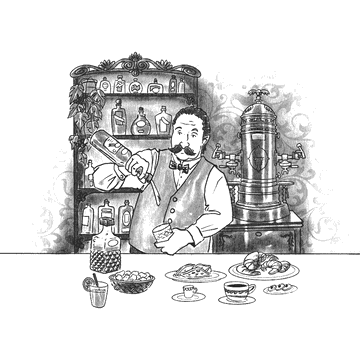
It all began with Andrea Rosa, who had a simple but revolutionary idea: to bring the art of fine cooking directly into the city’s most prestigious homes and palazzi. It was his son Antonio “Toni”, known as Salva, who gave momentum to the business we still carry forward with pride today: in 1879 he became chef to the Royal House.
The main milestones, from 1712 to today
-
1712 Giovanni Rosa is born
It is the origin of a wonderful story, one that from here would span three centuries of Venetian life.
-
1796–1846 Salvatore Rosa, known as Bianco
He works as a cook. His nickname recalls the world he lives in: flour, aprons and the kitchen.
-
1824–1902 Andrea Rosa
He starts his first catering ventures, sensing the potential of gastronomic service in a Venice in the midst of transformation.
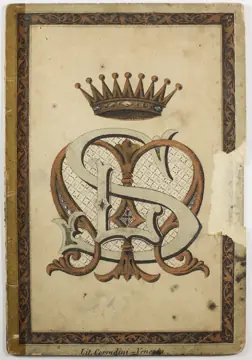
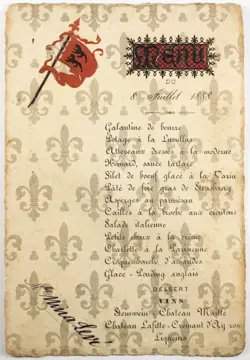
Menu, 3 June 1877 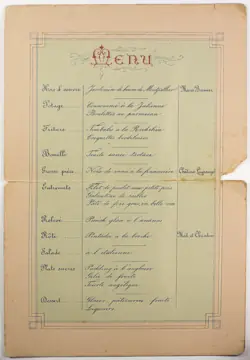
Menu, 18 August 1877 -
1865–1875 Antonio Rosa, known as Salva
He works in the hotels and in the kitchens of the Venetian aristocracy. He is soon noticed for his talent and precision.
-
1879 Chef to the Royal House
Antonio Rosa, known as Salva, becomes chef to the Royal House: it is the date from which the firm counts the beginning of its story.
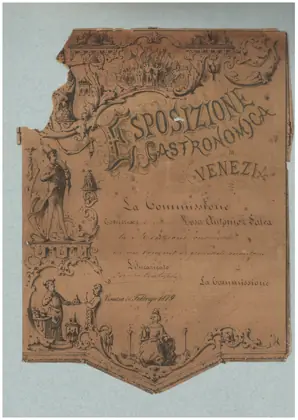
Venice Gastronomic Exhibition, February 1879: honourable mention to Antonio Rosa, known as Salva 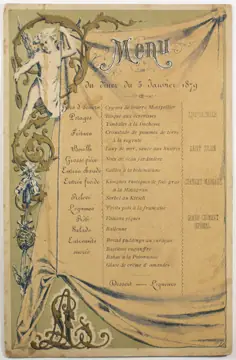
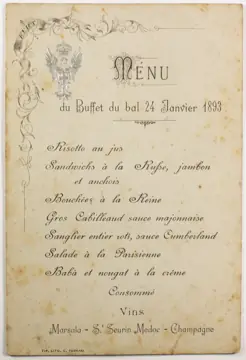
Menu, 5 January 1879 -
1896 The Bocca di Piazza shop
A historic pastry-making business is taken over. Its focacce soon become the subject of verses and praise.
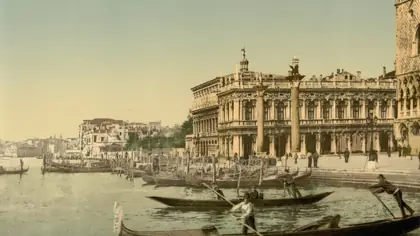
Venice, St Mark's Basin in a period photochrom 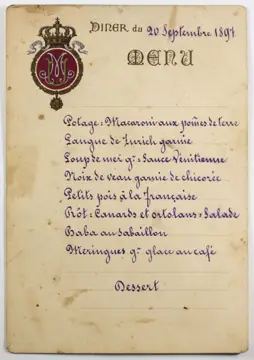
Menu, 20 September 1897 -
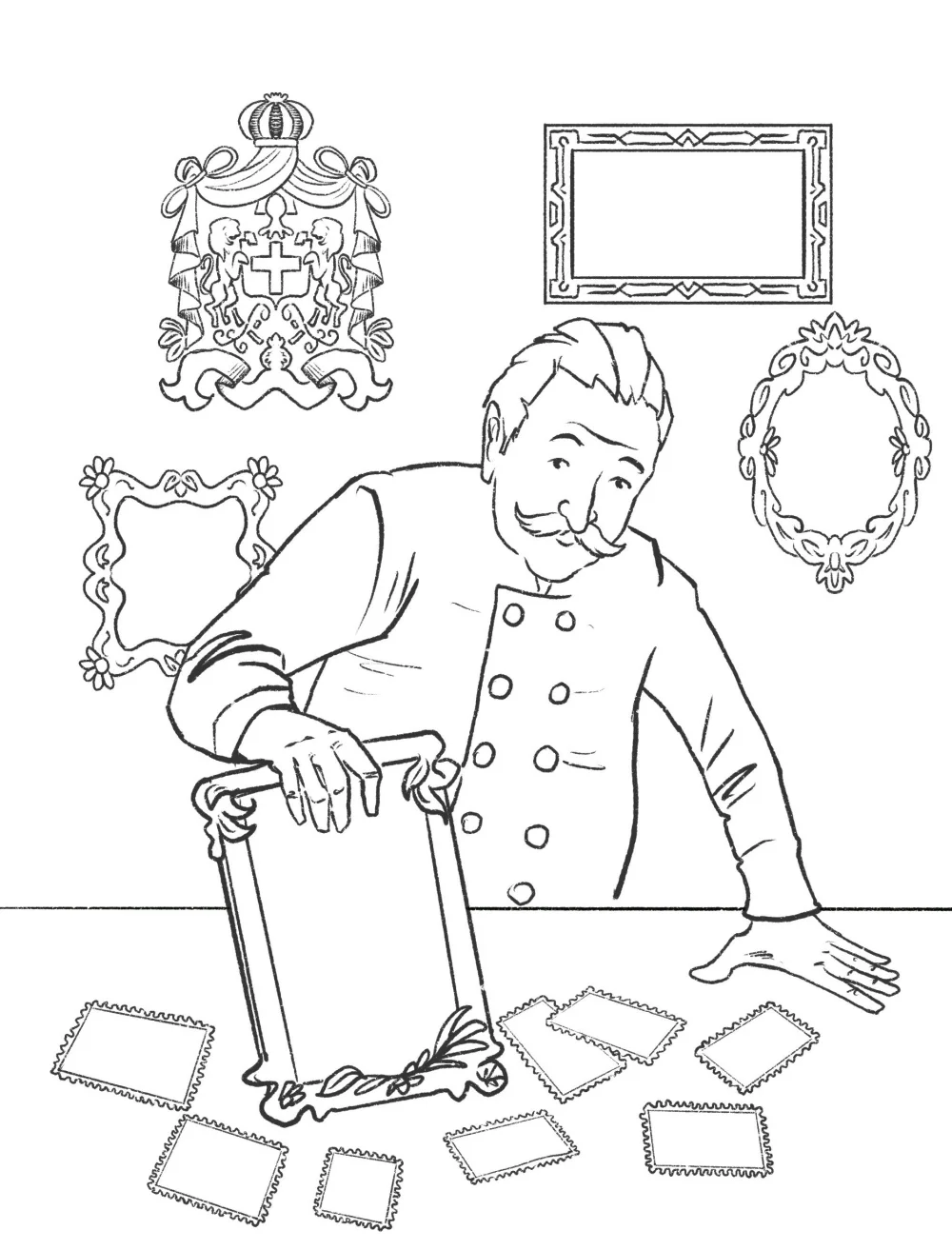
1900 The royal coat of arms
Umberto I grants the use of the royal coat of arms: a recognition that certifies the quality of the work done.
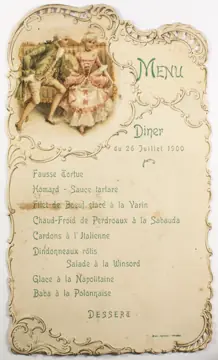
Menu, 26 July 1900 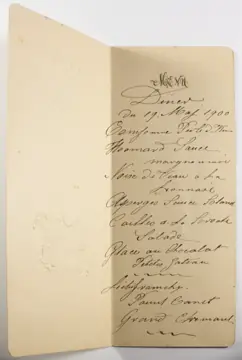
Menu, 19 May 1900 -
1904 Campo San Luca
The shop is acquired and refurbished. The Art Nouveau design renews the image in the heart of the city.
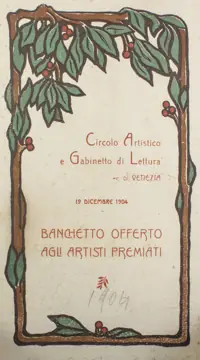
Menu, 19 December 1904 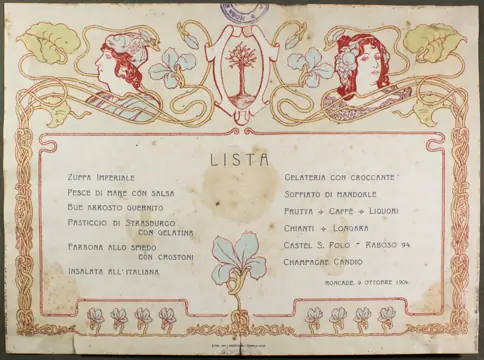
Menu, 9 October 1904 -
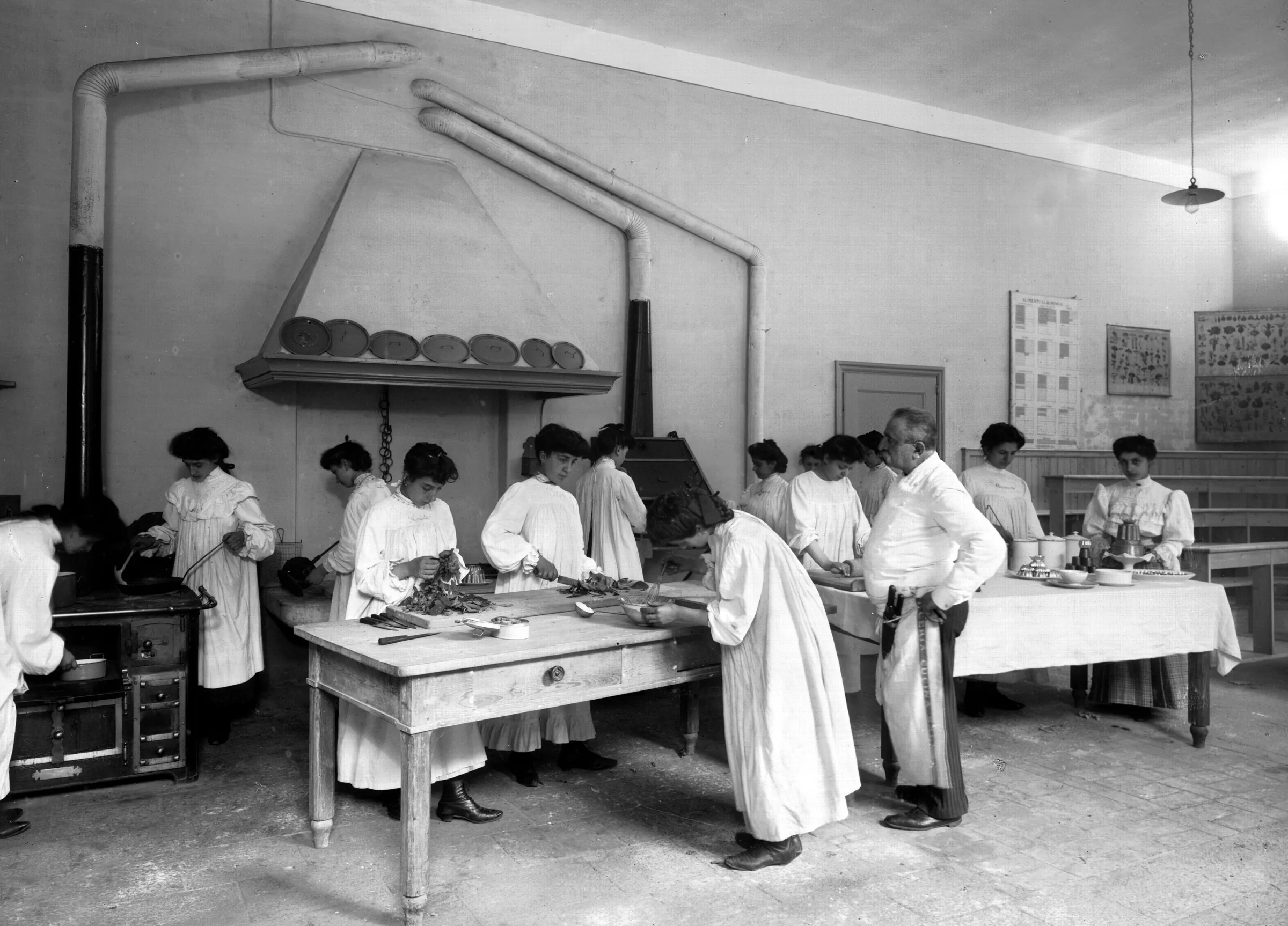
1906–1910 Teaching the craft
Teaching begins at the Scuola professionale femminile Vendramin Corner: passing on knowledge becomes part of the company culture.
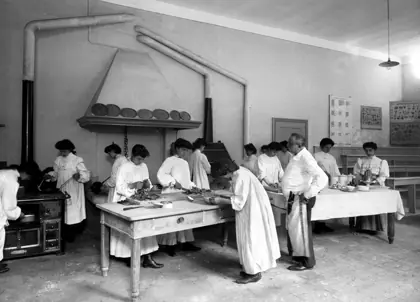
Students at a cookery lesson 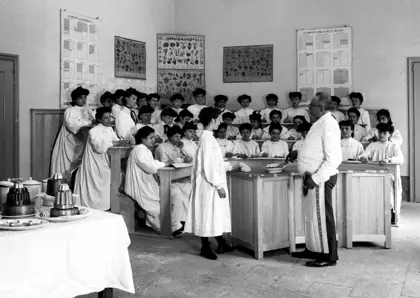
A cookery classroom, with the students at their benches -
1923 Cavaliere della Corona d'Italia (Knight of the Crown of Italy)
The appointment precedes his withdrawal from day-to-day work and the handing of the baton to the next generation.
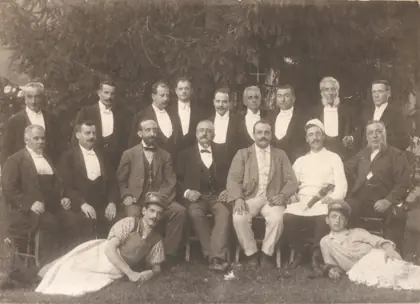
Group photograph in a garden -
1925 Calle Fiubera
After Antonio’s death the business is divided among his children and grandchildren. The workshop stays with Ermenegildo, who continues production there with his son Antonio.
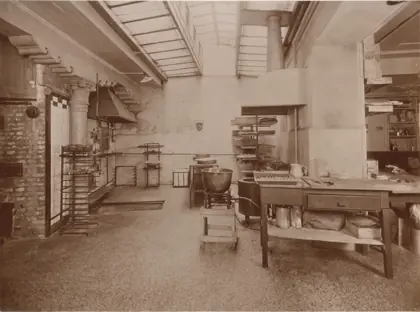
A period kitchen with stoves and workbenches 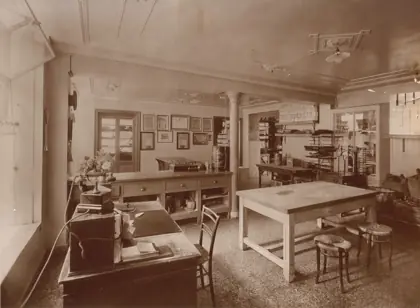
A period room with a counter and small tables -
1951 The Fondazione Cini
The family is entrusted with the banqueting of the Fondazione Cini on the island of San Giorgio Maggiore: the chapter of institutional events begins.
-
1956 The Moriondo chocolate shop
The historic Moriondo chocolate shop is acquired and a new location opens in the Mercerie di San Salvador.
-
1961 The Hotel Astoria
With the purchase of the hotel, hospitality joins the workshop and the pastry shop.
-
1974 The Mestre shop
Ermenegildo Rosa Salva, with his father Antonio, opens the shop and workshop in Via Cappuccina, Mestre.
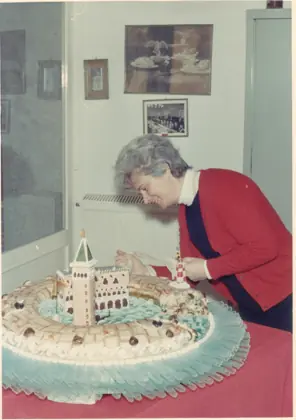
A cake topped with the bell tower and the Doge's Palace in sugar -
1974 Banquets beyond the city
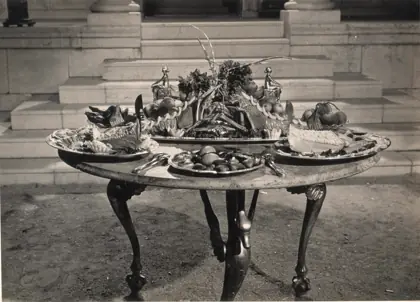
In via Paganello a depot is set up, equipped for banquet logistics and the transfer of goods between land and water.
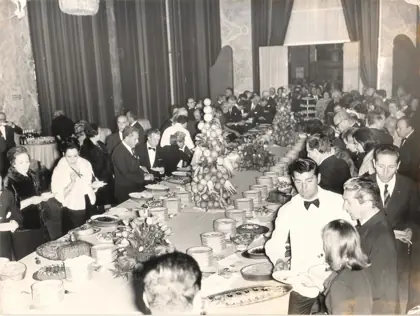
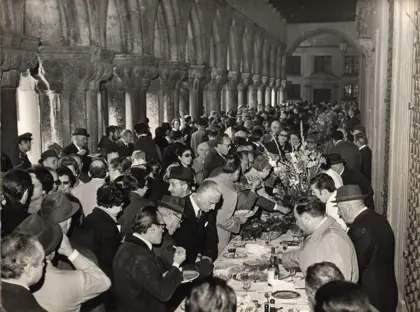
A banquet served in a large hall 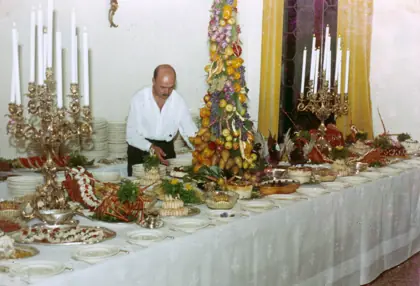
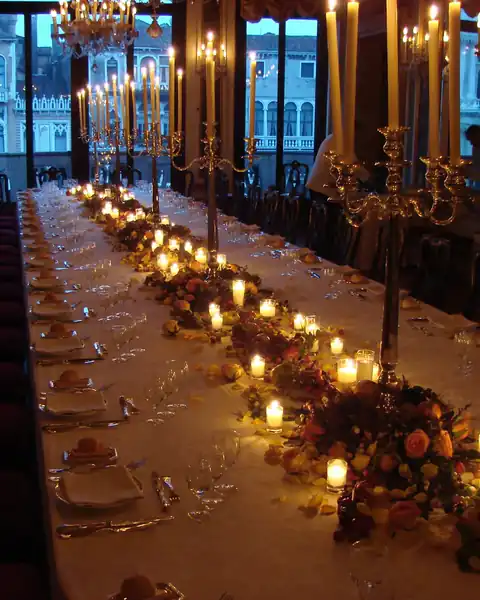
A buffet laid out among candelabra and cake stands -
2009 San Giovanni e Paolo
The shop is acquired, having been run under the Rosa Salva name since 1995 by a branch of the family, with the firm’s own production.
-
2013–2018 The Pinault group
The partnership for the cafés and events of Palazzo Grassi and Punta della Dogana begins.
-
2017 Rosa Salva Hotel reopens
After a complete two-year restoration, tradition and welcome come together in a new building devoted to hospitality.

Rosa Salva Hotel -
2018 The Gran Teatro La Fenice
The family is entrusted with running the in-house café: a meeting point of art, culture and flavours.
-
2020 The Rosa Salva Suites
The purchase of the building destined for the Suites marks a further step in the development of the hospitality offering.
-
2022 San Salvador
After the restoration of the historic Fioreria Fantin, a new pastry shop opens on 9 May 2022.
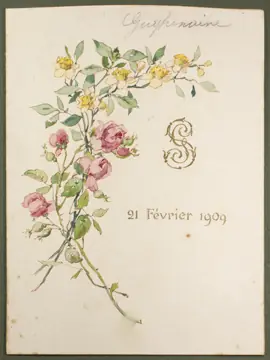
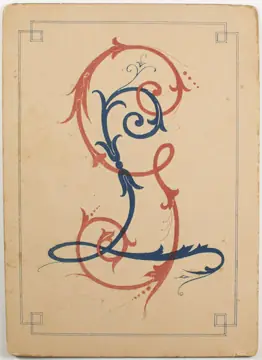
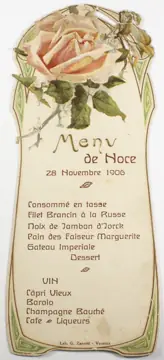
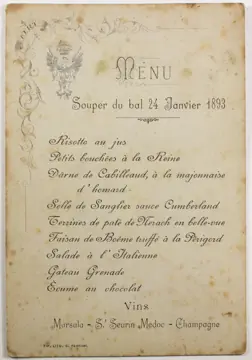
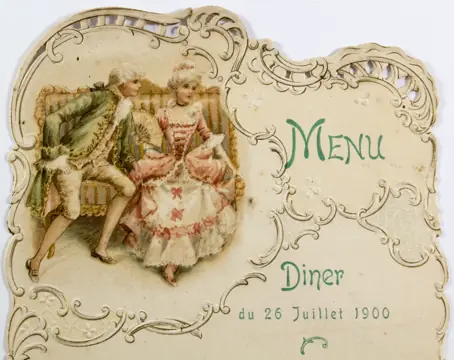
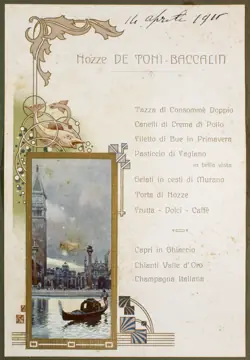
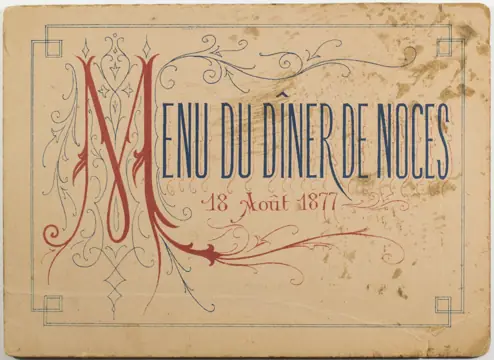
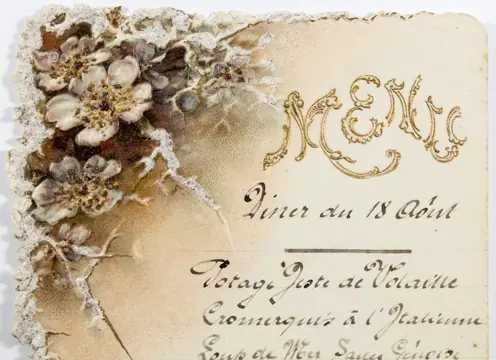
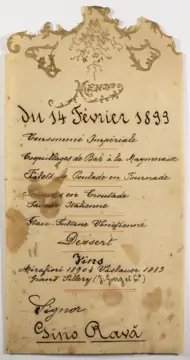
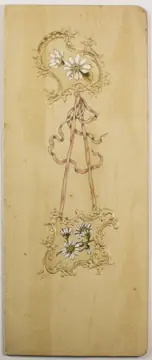
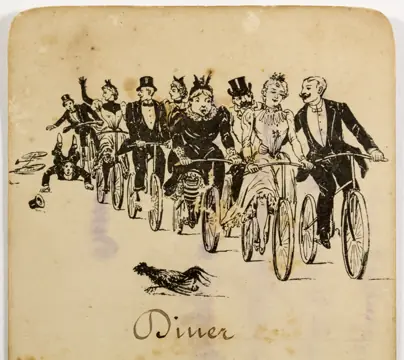
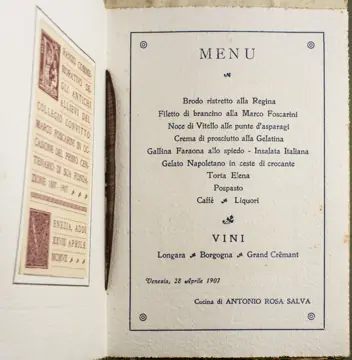
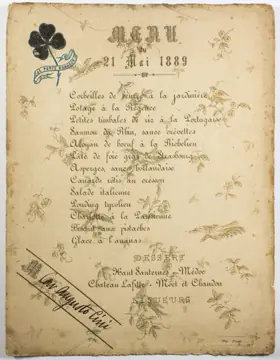
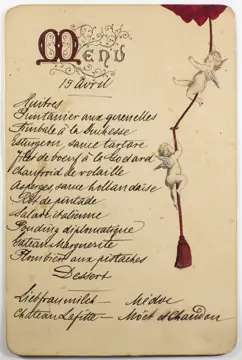
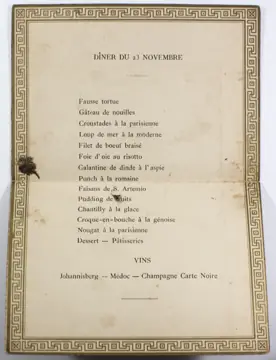
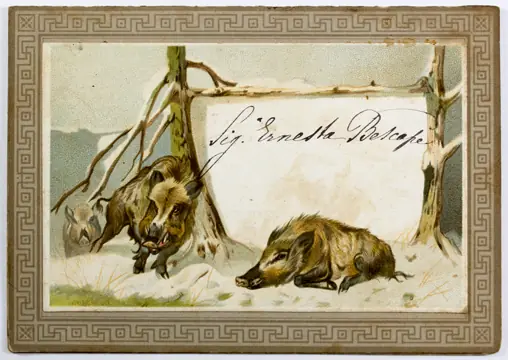
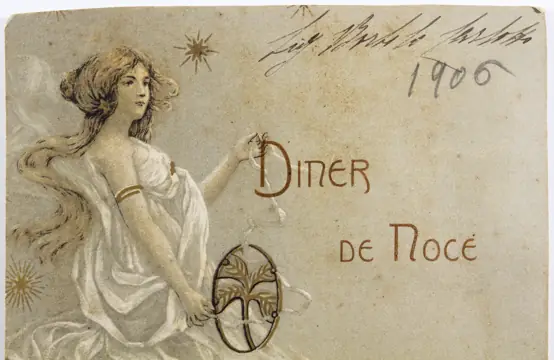
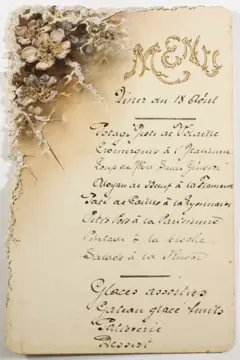
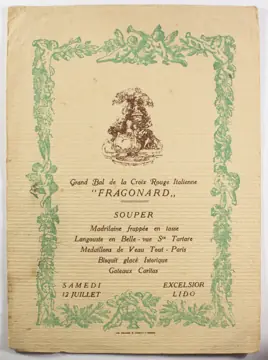
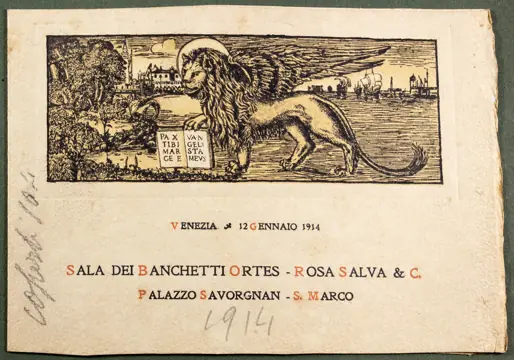
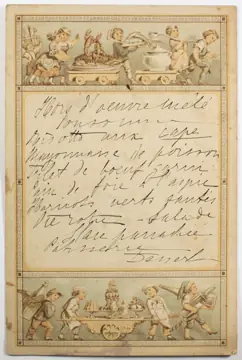
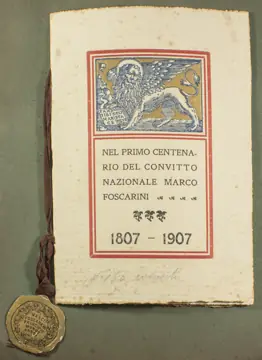
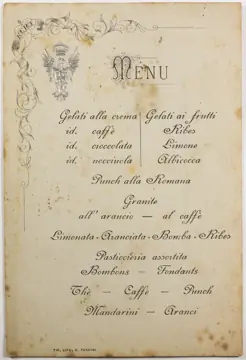
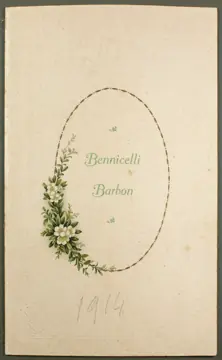
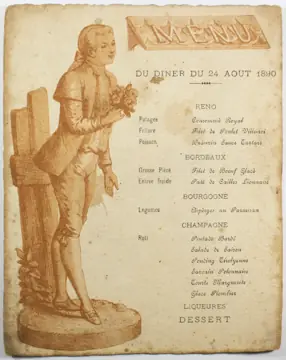
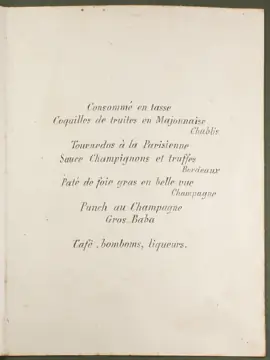
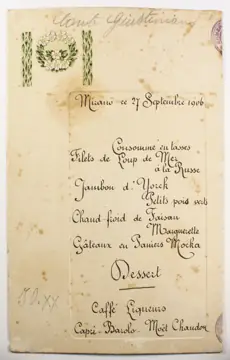
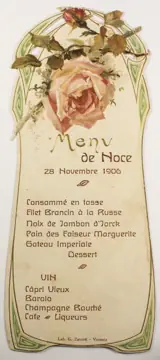
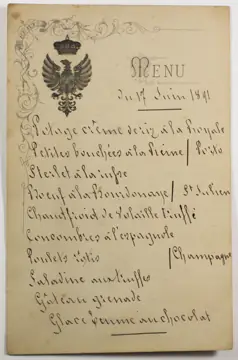
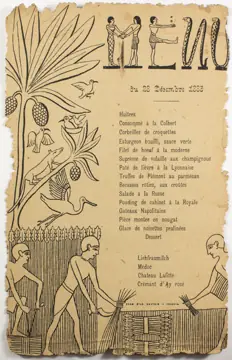
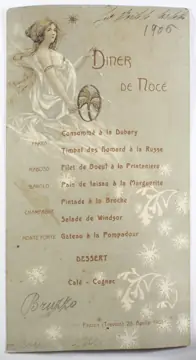
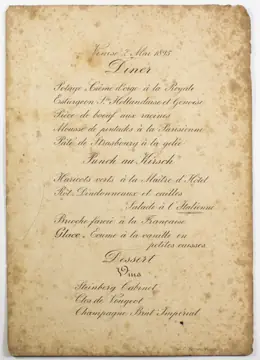
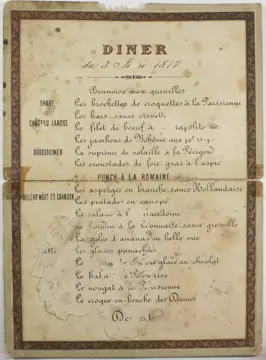
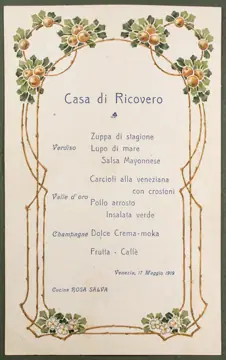
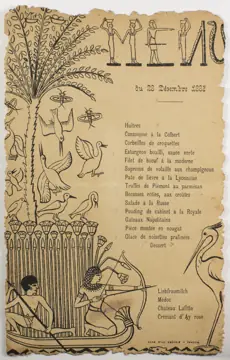
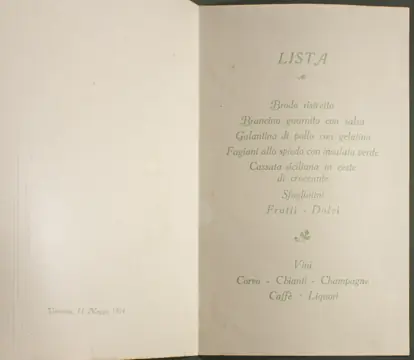
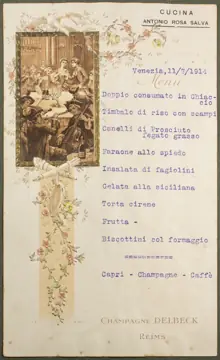
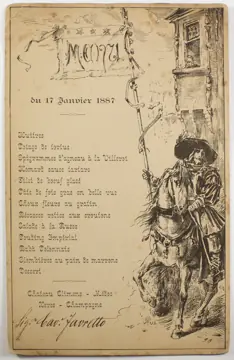
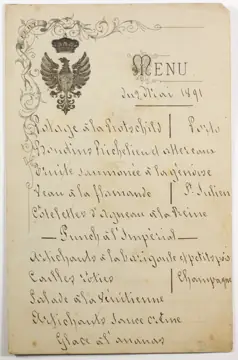
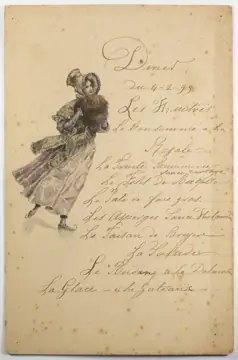
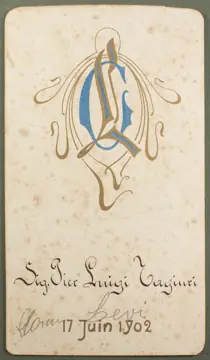
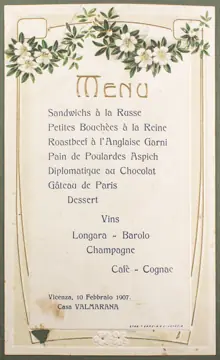
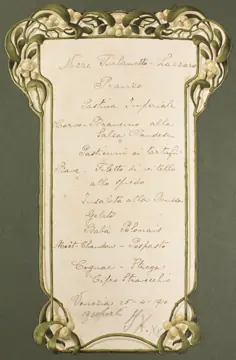
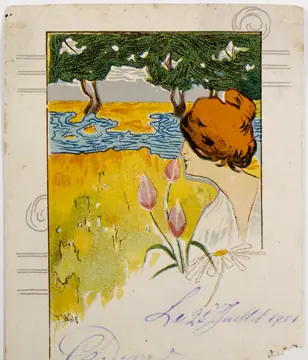
Banquet menus, from 1877 to 1919
Printed and hand-painted cards for weddings, balls and receptions: the family archive holds about forty of them, from the nineteenth and twentieth centuries.
An art that has grown richer
without losing its identity
Every sweet, from Carnival frittelle to baicoli, from zaleti to the creations of fine pastry, tells a story of Venetian character, skilled hands and genuine ingredients.
Quality, authenticity and a deep bond with the city and its traditions remain the heart of everything we do.
The firm still belongs to the family that founded it
Rosa Salva has belonged to the same family for seven generations, always in Venice. Its headquarters are in Calle Fiubera, at San Marco 950, home to the historic pastry shop, the offices and the workshop.
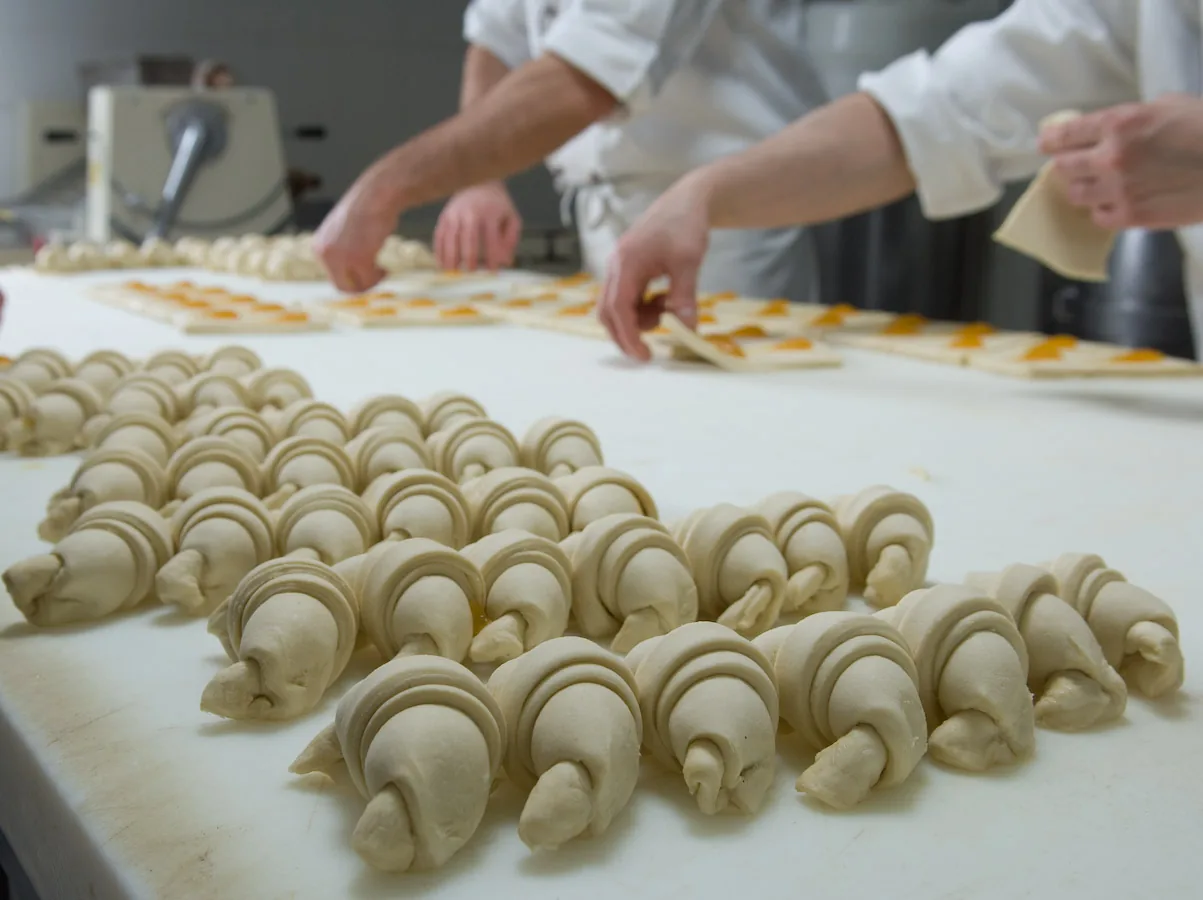
The workshop starts work at night, so that the display cases are full by morning: from here come the pastries for the Venetian locations and the sweets for the catering banquets.
Since 1 December 2021 the Rosa Salva trademark has been entered in the Register of Historic Trademarks of National Interest of the Ufficio Italiano Brevetti e Marchi, the Italian Patent and Trademark Office (Ministero delle Imprese e del Made in Italy). Rosa Salva is also included in the Regional List of Historic Places of Commerce of the Regione del Veneto. For banqueting, it is a member of ANBC, the Associazione Nazionale Banqueting e Catering, which is part of FIPE-Confcommercio. The Savoy coat of arms that appears on Rosa Salva’s packaging was granted by King Umberto I in 1900, when the family were purveyors to the Royal House.
“Every bite is a small journey into the most authentic Venice, the one that tastes of sugar, spices, art and tradition.”